posted 4th September 2026
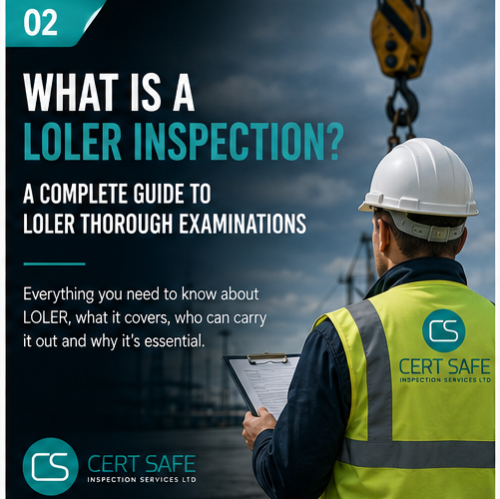
What Is a LOLER Inspection? A Complete Guide
If your business uses lifting equipment, you have probably heard the term LOLER inspection.
But what exactly is a LOLER inspection, what equipment does LOLER apply to, who can carry one out and what happens when the examination is complete?
This guide explains LOLER in straightforward terms and answers some of the most common questions asked by businesses responsible for lifting equipment.
What does LOLER stand for?
LOLER stands for the Lifting Operations and Lifting Equipment Regulations 1998.
The regulations apply to lifting equipment used at work and place duties on businesses and other duty holders to ensure lifting equipment is safe, suitable and properly examined.
LOLER covers much more than just cranes.
Depending on the circumstances, equipment covered by LOLER can include lifts, hoists, cranes, vehicle-mounted lifting equipment, lifting accessories, patient lifting equipment, vehicle lifts and other equipment used to lift or lower loads or people.
HSE guidance confirms that LOLER applies across a wide range of industries and builds on the wider requirements of the Provision and Use of Work Equipment Regulations (PUWER).
What is a LOLER inspection?
The term “LOLER inspection” is commonly used, but the formal term used within the regulations is a thorough examination.
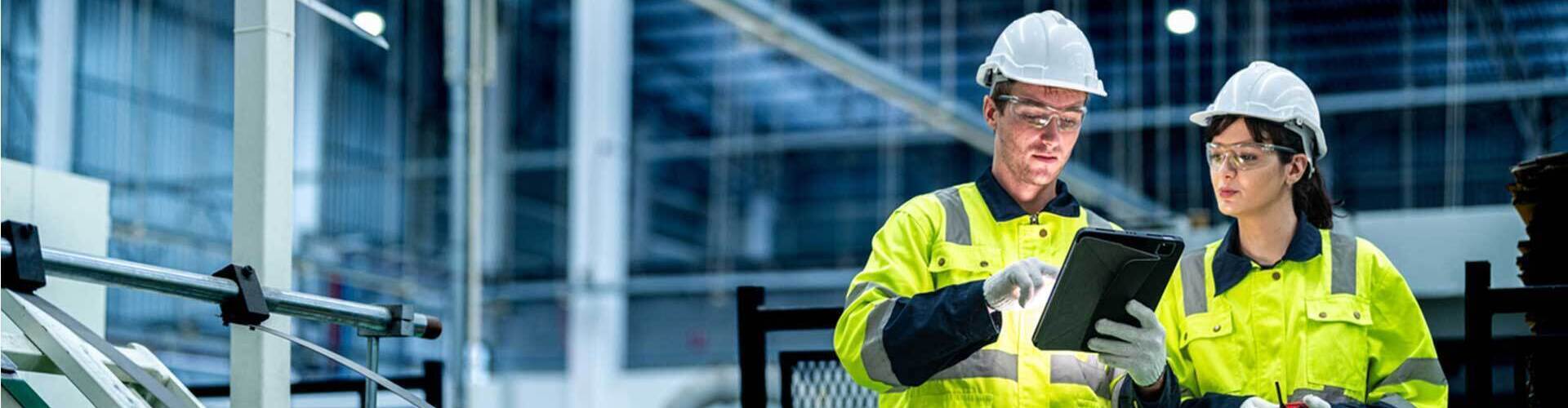
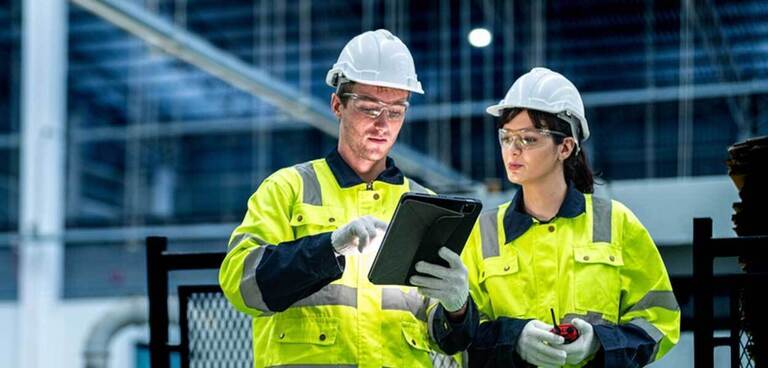
A thorough examination is a detailed examination carried out by a competent person to establish whether lifting equipment can continue to be used safely.
It is more than simply looking at whether a machine appears to be in good condition.
Depending on the equipment, the examination may involve visual examination, functional checks, measurements and other suitable examination methods.
The competent person must determine the appropriate extent of the examination.
What equipment needs a LOLER examination?
There is a very wide range of equipment that can fall within LOLER.
Examples include:
- Passenger lifts
- Goods lifts
- Platform lifts
- Stair lifts
- Service lifts
- Other lifting equipment installed within buildings
- Cranes and lifting machinery
- Overhead cranes
- Gantry cranes
- Vehicle-mounted cranes
- Lorry loaders
- Mobile lifting equipment
- Hoists
- Jib cranes
- Other workplace cranes
- Lifting accessories
- Chain slings
- Webbing slings
- Wire rope slings
- Shackles
- Eyebolts
- Hooks
- Lifting beams
- Other lifting accessories
- Other equipment
Depending on their design and use, LOLER may also apply to:
- Forklift trucks
- Telehandlers
- Vehicle lifts
- Tail lifts
- Patient hoists
- MEWPs
- Building maintenance equipment
- Certain lifting attachments
The HSE's LOLER guidance specifically highlights the need for businesses to identify all equipment to which LOLER applies and establish an appropriate examination scheme.
How often does LOLER equipment need examining?
The standard intervals are generally:
6 months
Equipment used to lift people
Lifting accessories
12 months
Other lifting equipment
A competent person can establish an examination scheme specifying different intervals where this is justified.
There may also be circumstances where equipment requires examination outside its normal schedule, such as after an accident, significant modification or other exceptional circumstances that could affect its safety.
What happens during a LOLER thorough examination?
The exact examination depends on the type of equipment.
The competent person will consider the equipment and its safety-critical components and determine the appropriate examination methods.
Depending on the equipment, this can include examination of:
- Structural components
- Safety devices
- Braking systems
- Lifting mechanisms
- Chains, ropes and attachments
- Hydraulic components
- Controls
- Limit devices
- Guarding
- Safety equipment
- SWL markings
- Hooks and other load-bearing components
- General signs of wear, damage or deterioration
The examination is intended to identify defects or deterioration that could create a danger to people.
Is a LOLER inspection the same as a service?
No.
This is an important distinction.
A service or maintenance visit is primarily concerned with keeping equipment operational and maintaining its condition.
A LOLER thorough examination is a statutory examination intended to establish whether the equipment remains safe to use.
A machine can therefore be serviced without that service being a LOLER thorough examination.
Likewise, having a LOLER examination does not remove the need for appropriate servicing, maintenance and routine inspections.
What is a LOLER certificate?
The phrase “LOLER certificate” is widely used within the industry.
Strictly speaking, the statutory document is a Report of Thorough Examination.
The report records the outcome of the examination and relevant information about the equipment and any defects identified.
Businesses responsible for lifting equipment should retain the appropriate examination records and ensure that any defects requiring action are dealt with appropriately.
Who is responsible for LOLER compliance?
Ultimately, LOLER places duties on the relevant duty holder.
This may be an employer, equipment owner or another person with control over the equipment or lifting operation.
Simply having an inspection company available does not remove the duty holder's responsibility to ensure the equipment is appropriately managed.
Why are LOLER examinations important?
Lifting equipment failure can have serious consequences.
A failure involving a passenger lift, crane, hoist or lifting accessory can potentially result in serious injury or significant damage.
Thorough examinations form one part of a wider system of safe equipment management.
They should sit alongside:
- Suitable equipment selection
- Proper maintenance
- Routine inspections
- Safe systems of work
- Competent operators
- Planned lifting operations
- Appropriate risk assessments
- Accurate record keeping
- LOLER inspections across Buckinghamshire and surrounding areas
Cert Safe Inspection Services provides independent LOLER thorough examinations for businesses across High Wycombe, Buckinghamshire, Oxfordshire, Berkshire and surrounding areas.
Our inspection services cover a wide range of lifting equipment, including lifts, cranes, lifting accessories, vehicle lifting equipment and other workplace lifting equipment.
If you are unsure whether an item falls within LOLER, or you need help establishing your examination requirements, contact Cert Safe Inspection Services to discuss your equipment.